ETH Zürich case study

One system, thirty animations

ETH Zürich wanted to teach the chemistry of building materials through a flipped classroom: students watch short animations before class, leaving classroom time for discussion and problem solving.

The brief

The challenge was scale. Producing more than thirty animations on a small grant meant finding a way to balance quality, consistency and cost.

Rather than treating each animation as a separate project, we built a system that could generate all of them.
ETH Zürich case study ETH Zürich case study
Designing a system

An illustration system is more than a visual style. It’s a set of rules for how information is represented. It’s not just how things look, but how they relate, scale, and evolve together.

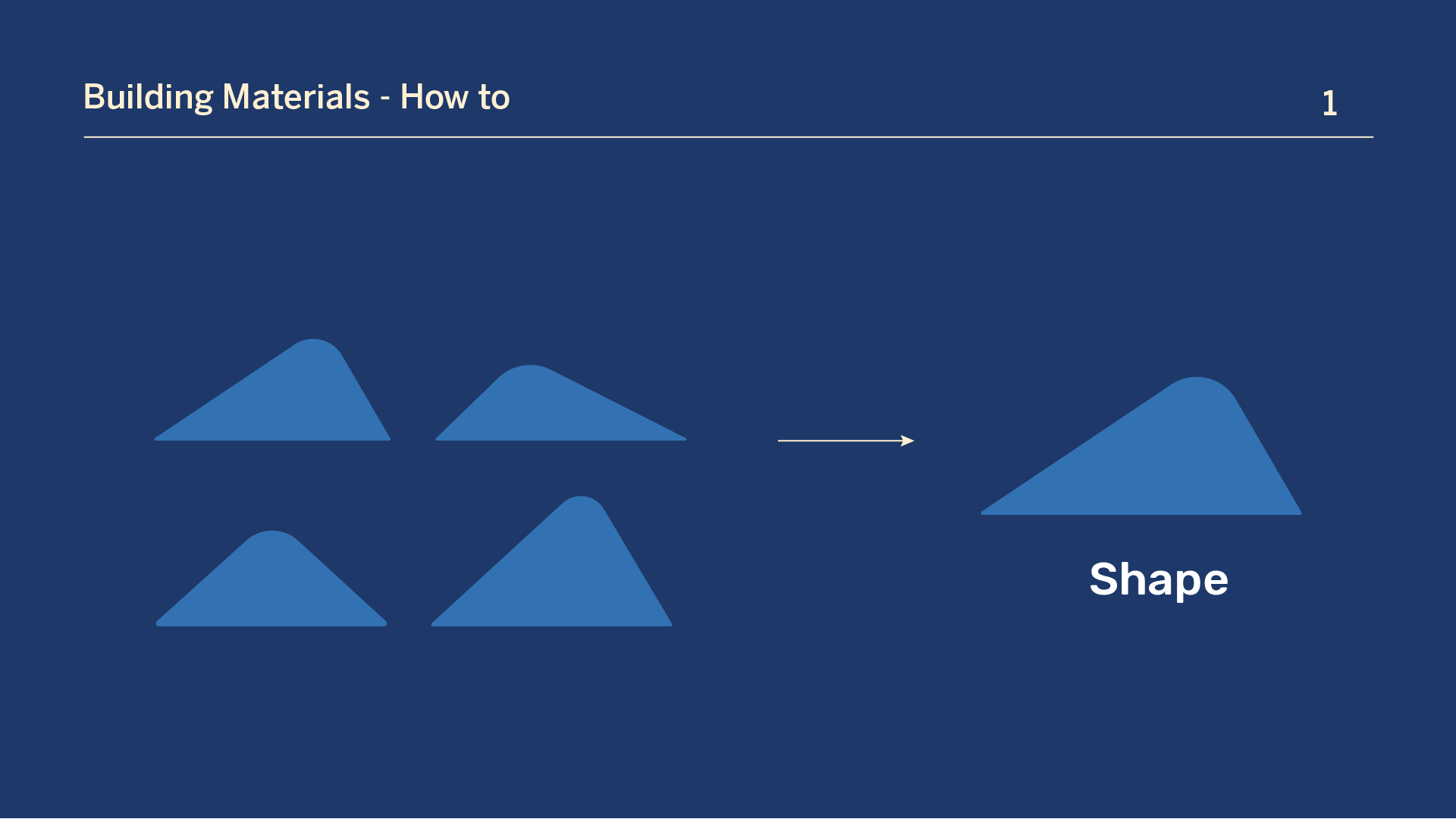
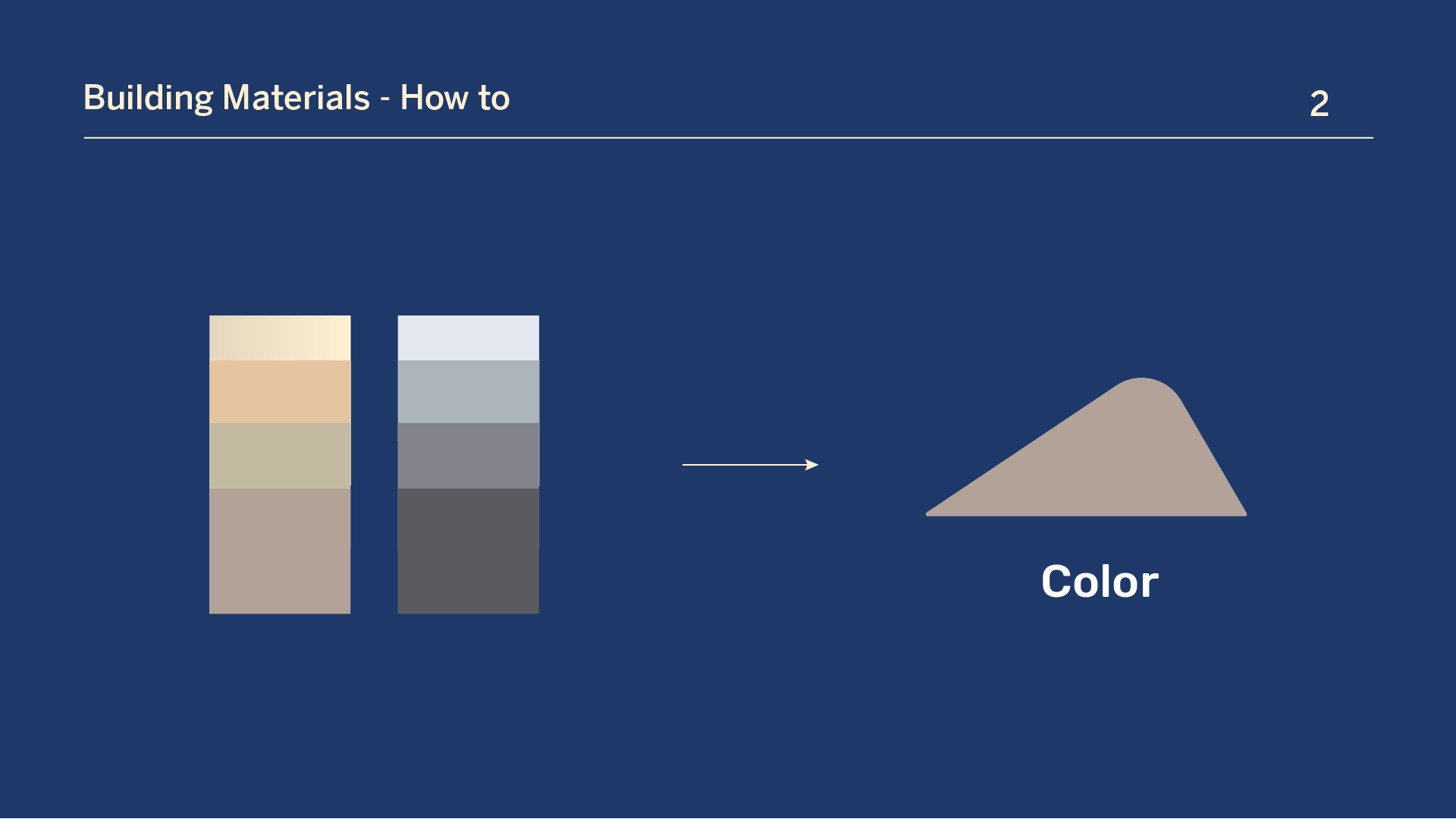
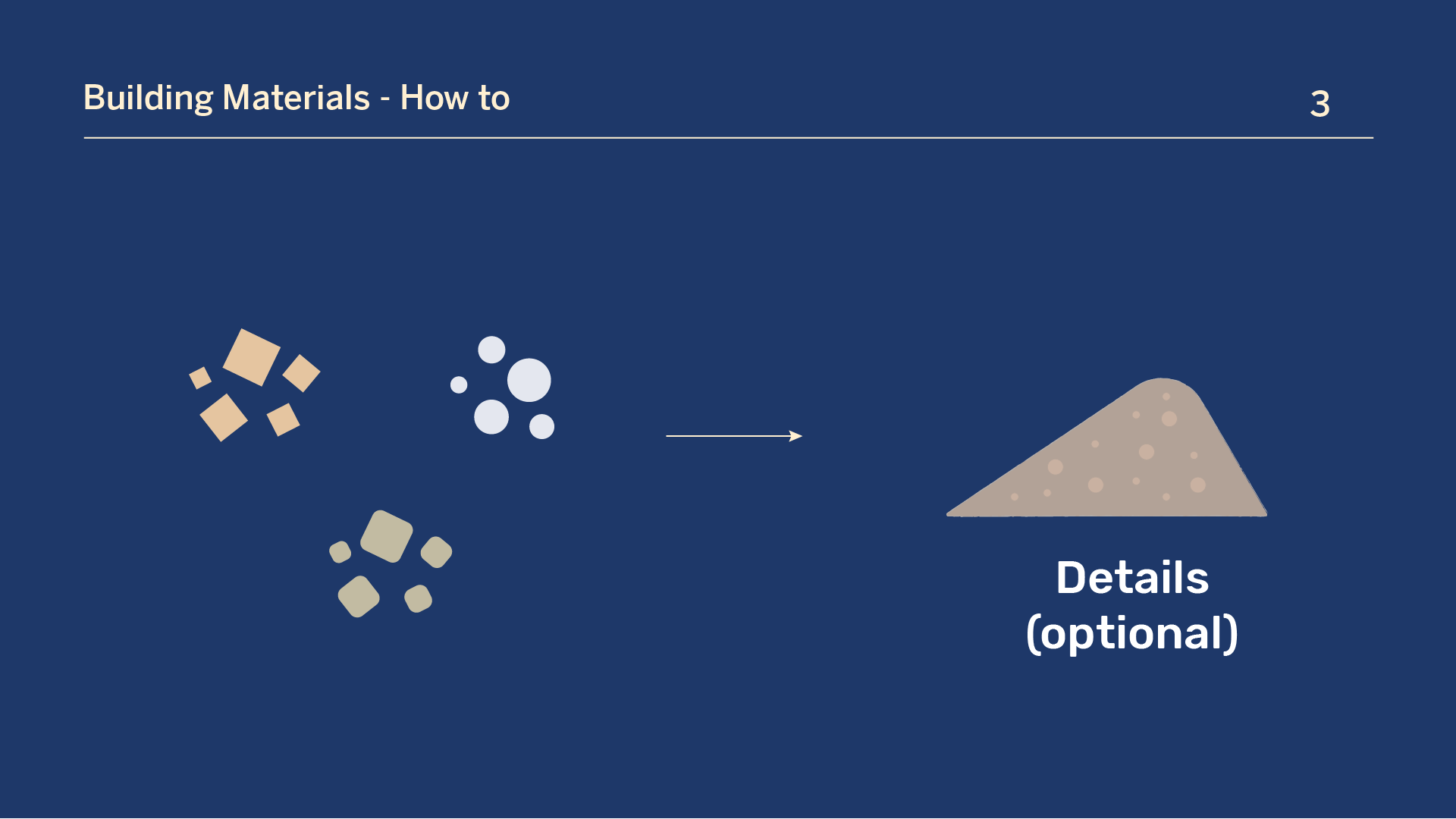
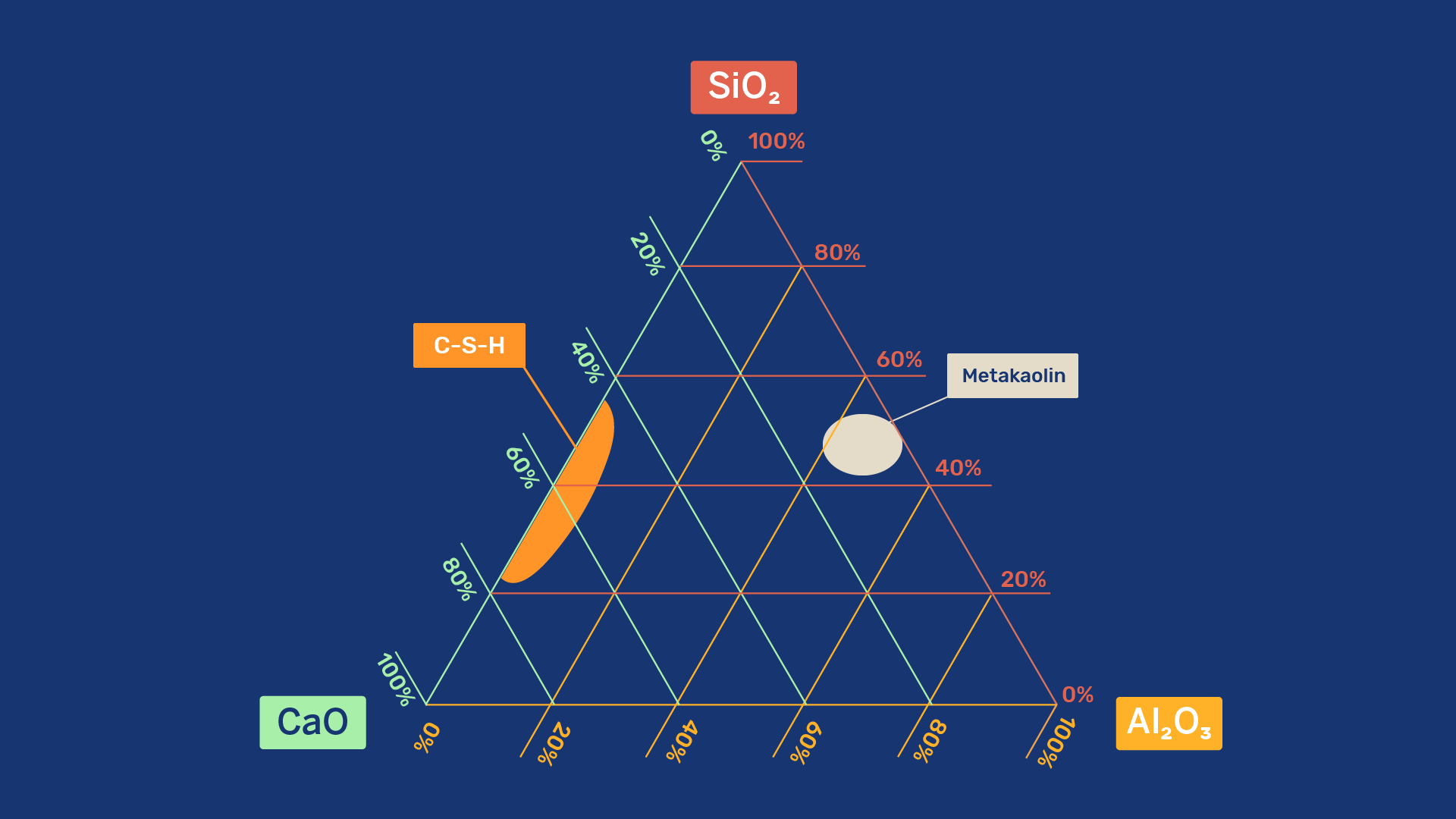
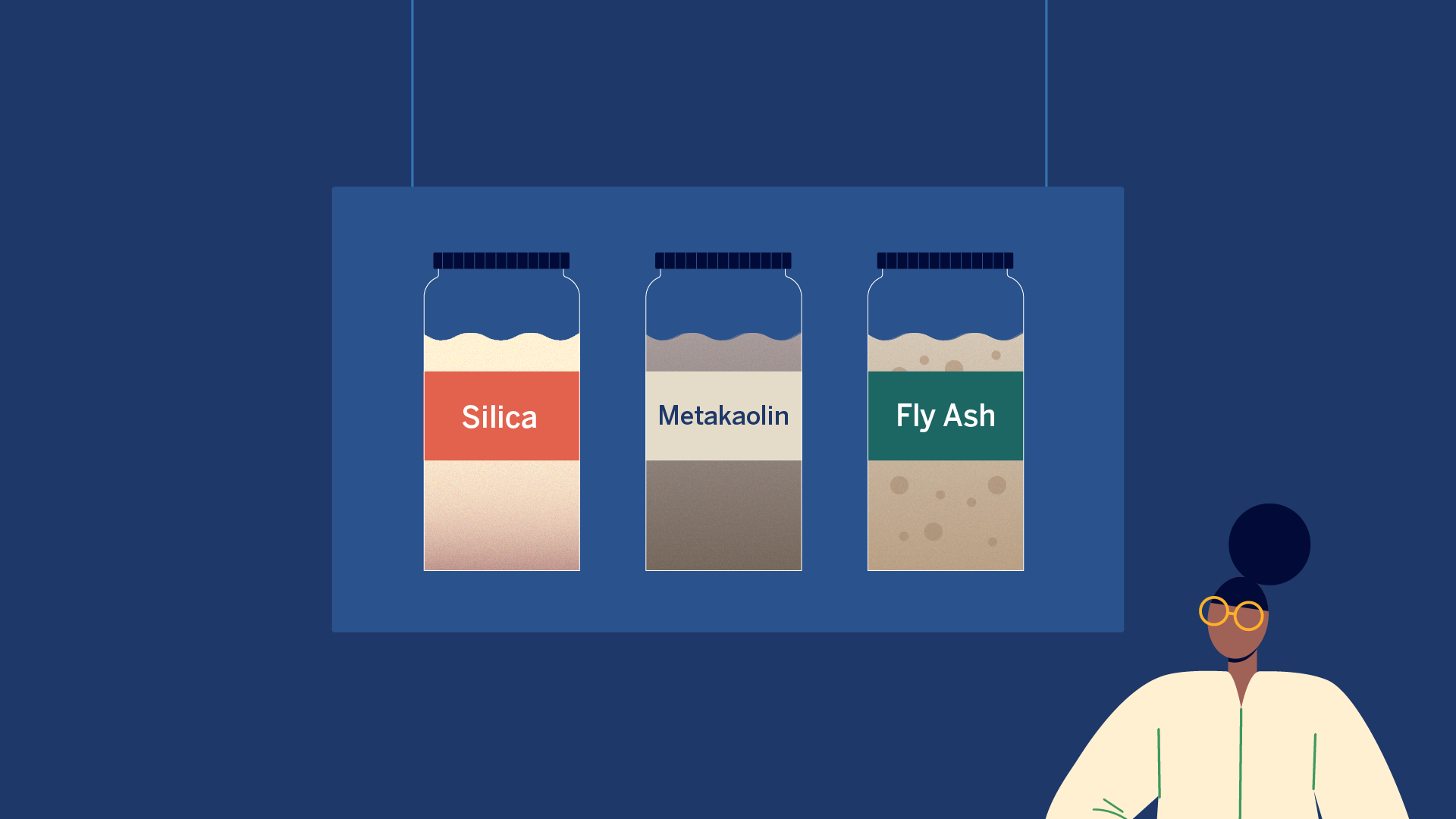
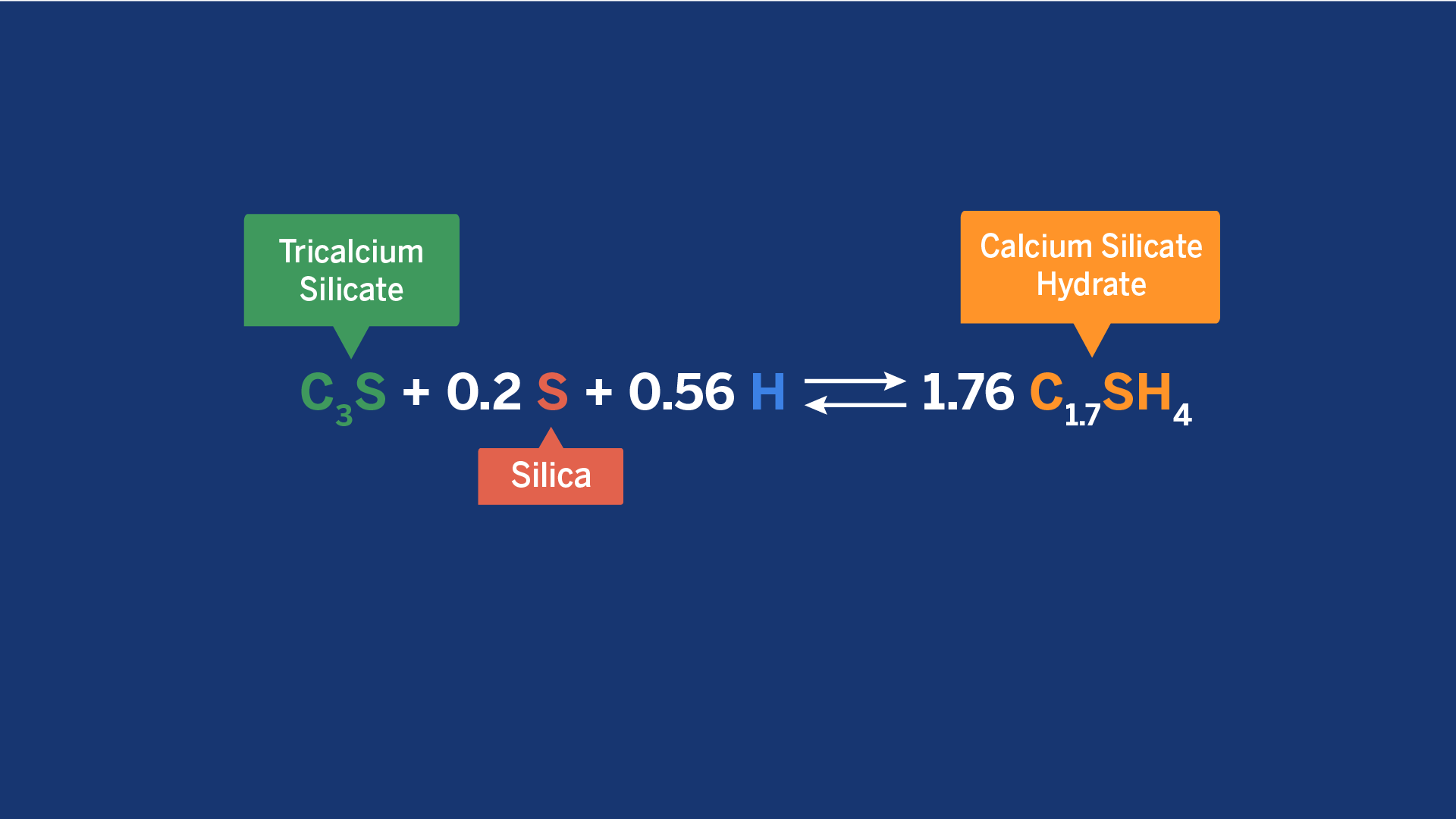
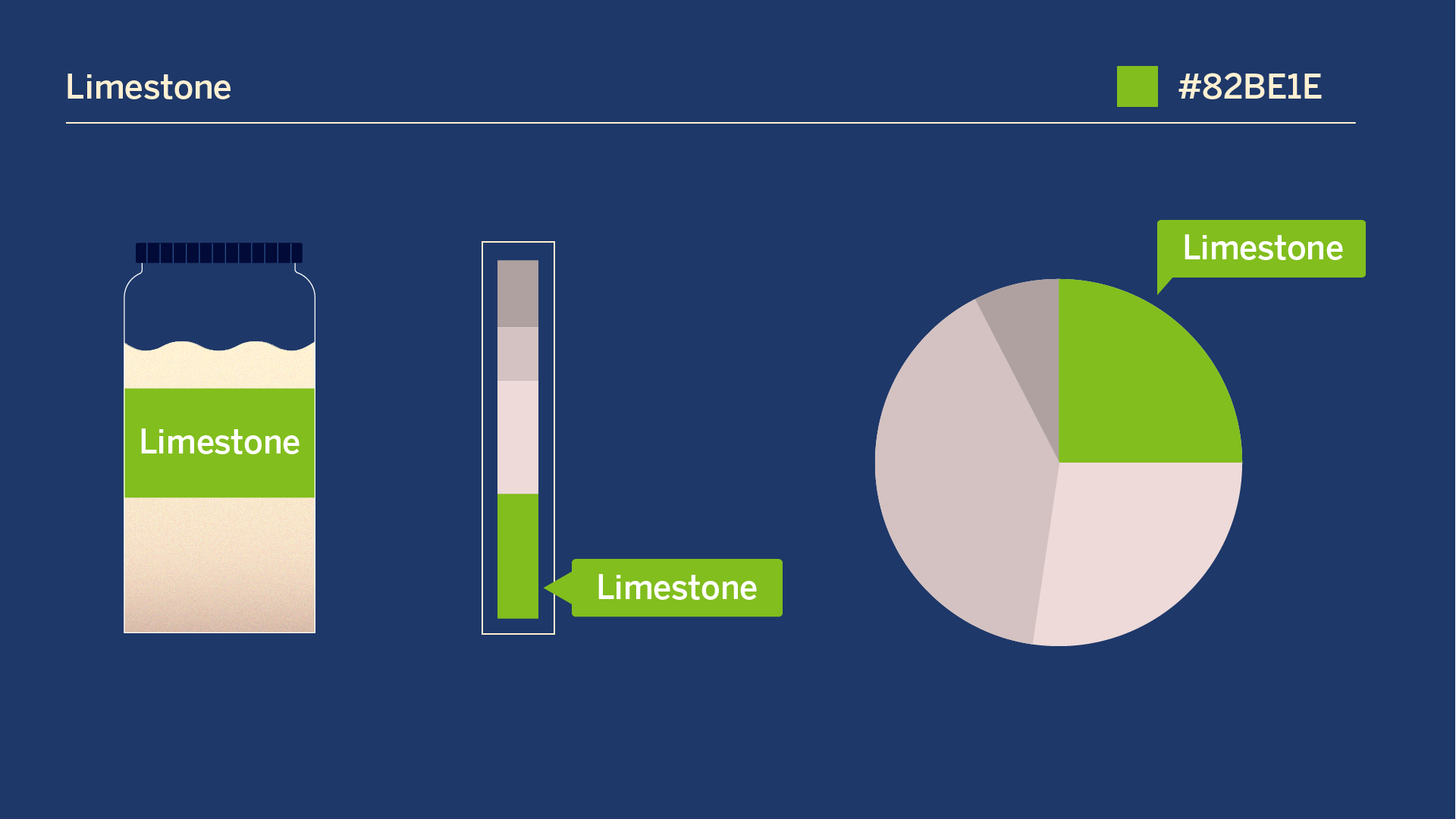
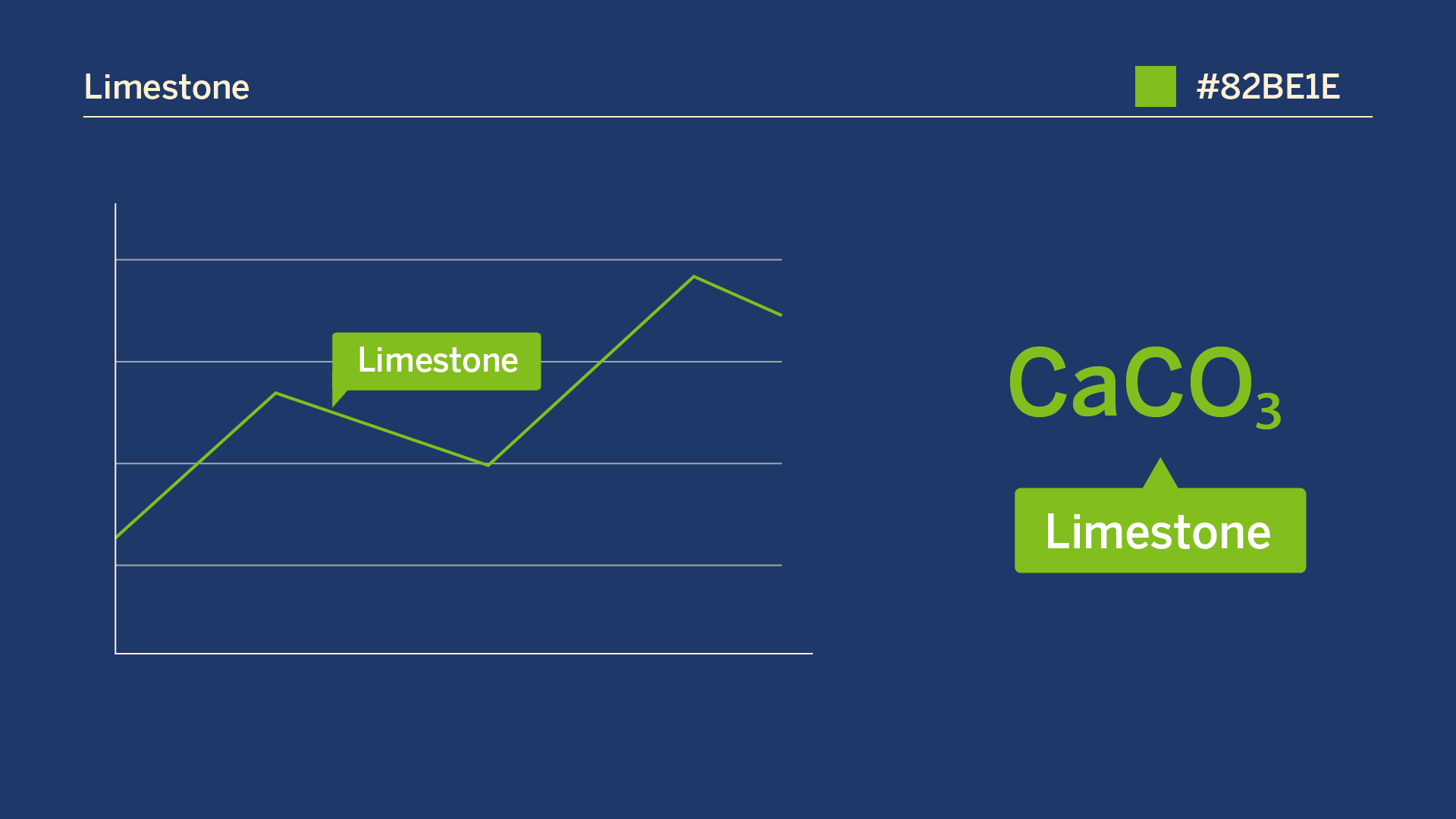
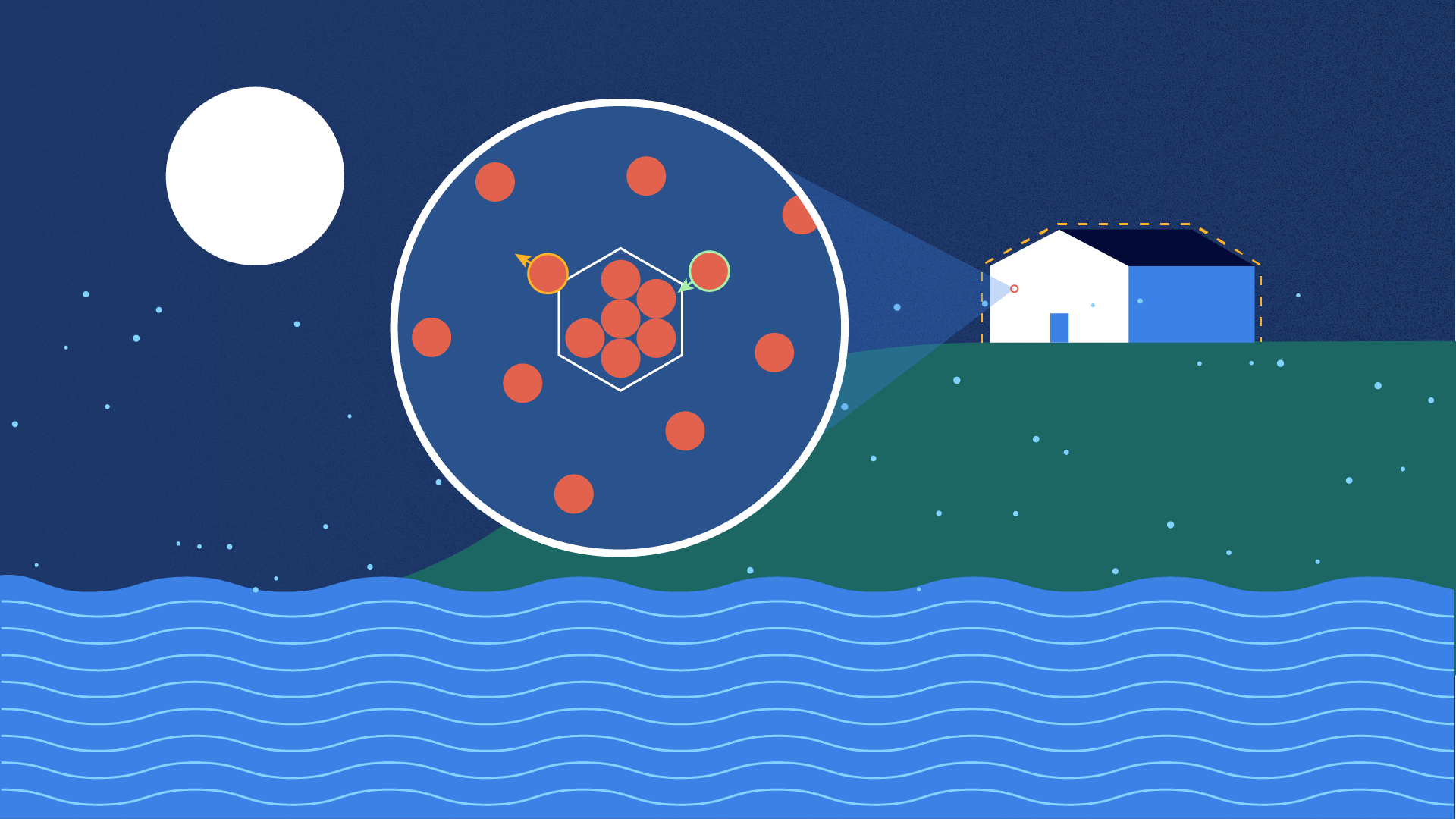
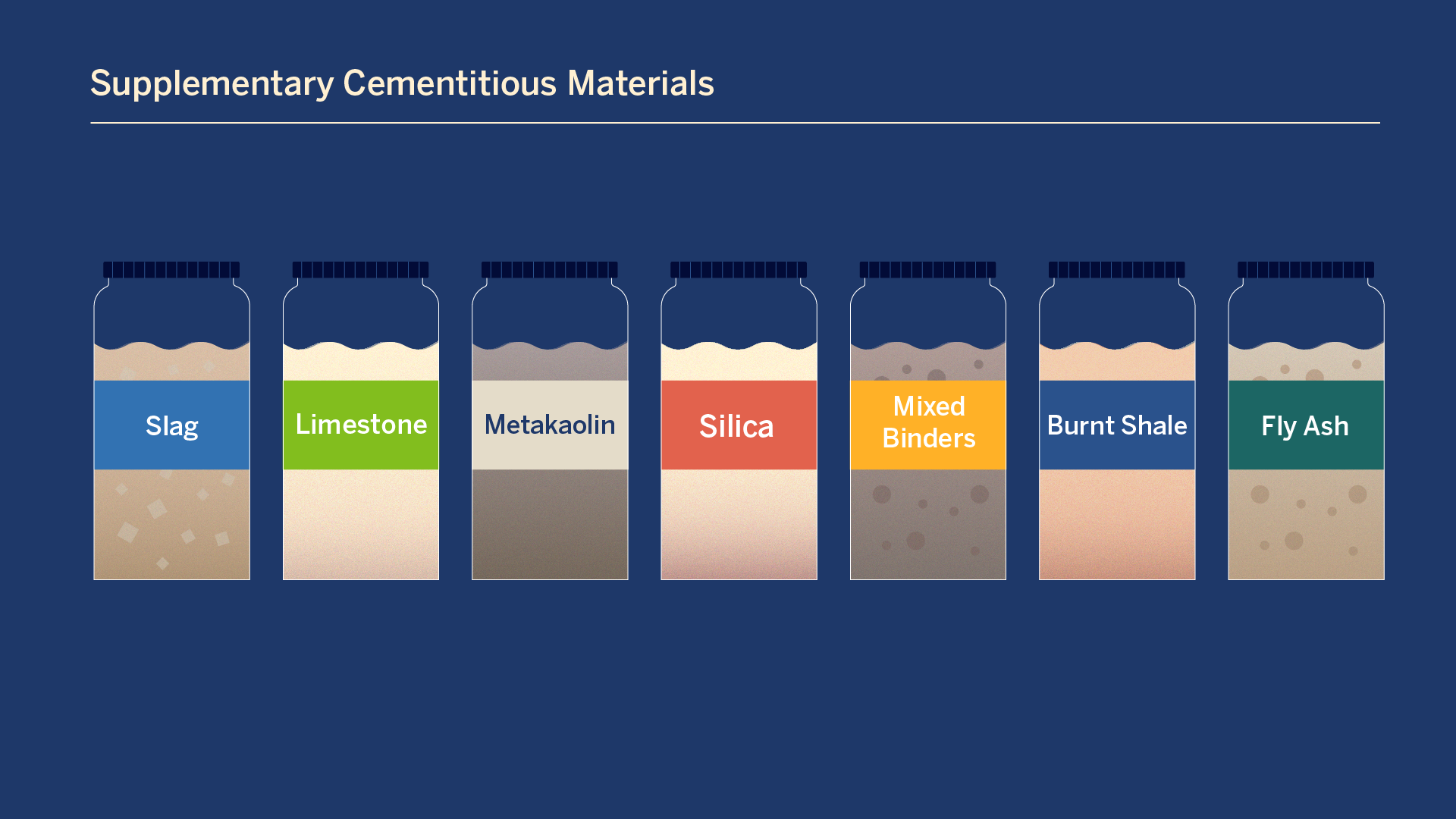
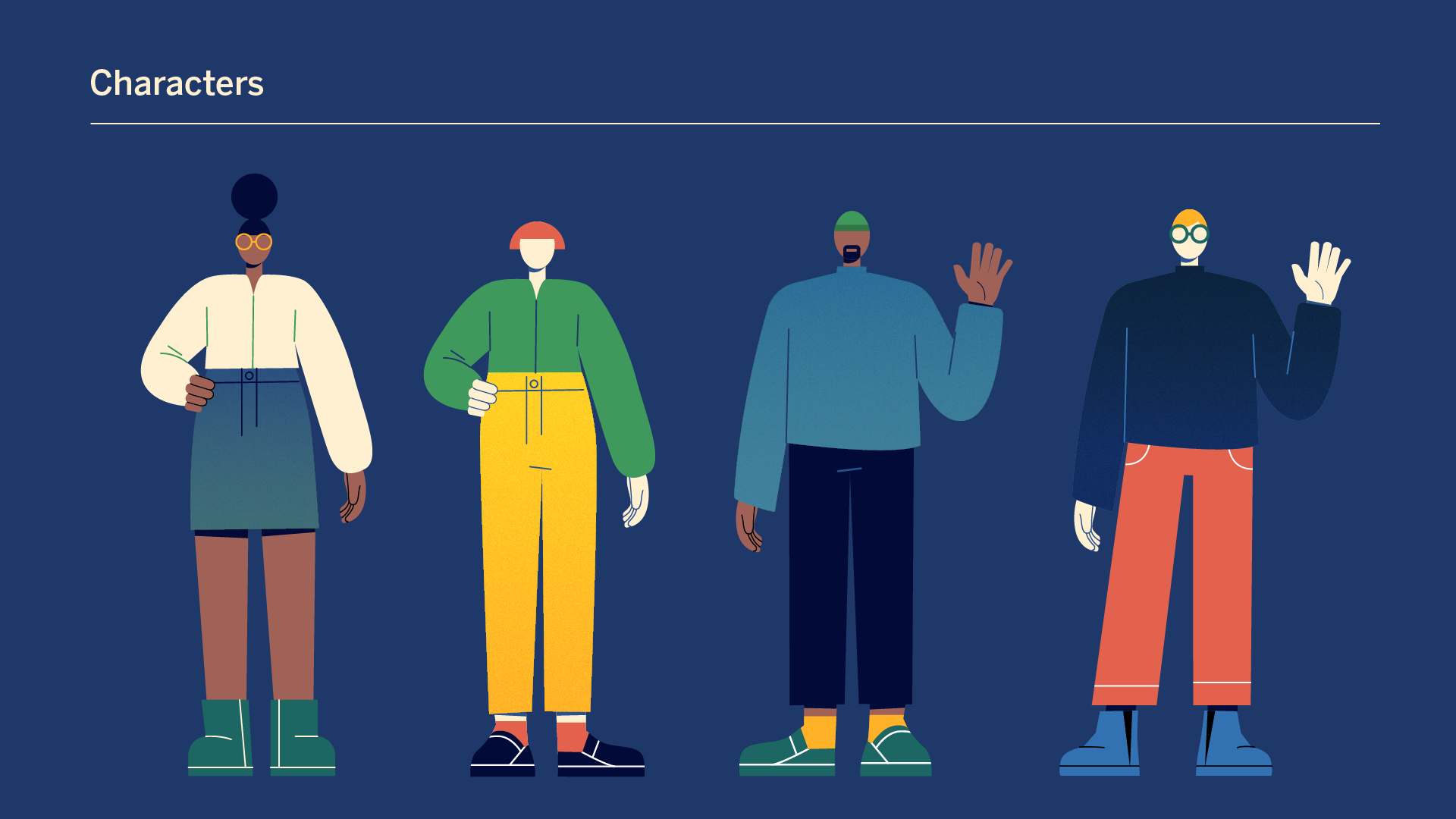
Before producing the first animation, we defined conventions that every subsequent one would follow. Materials were assigned persistent colours that carried across formulas, graphs, labels and diagrams. Simple geometric forms became the basis for creating objects and characters. Motion followed consistent timing and easing. Typography, line weights, textures and transitions were all governed by precise rules.

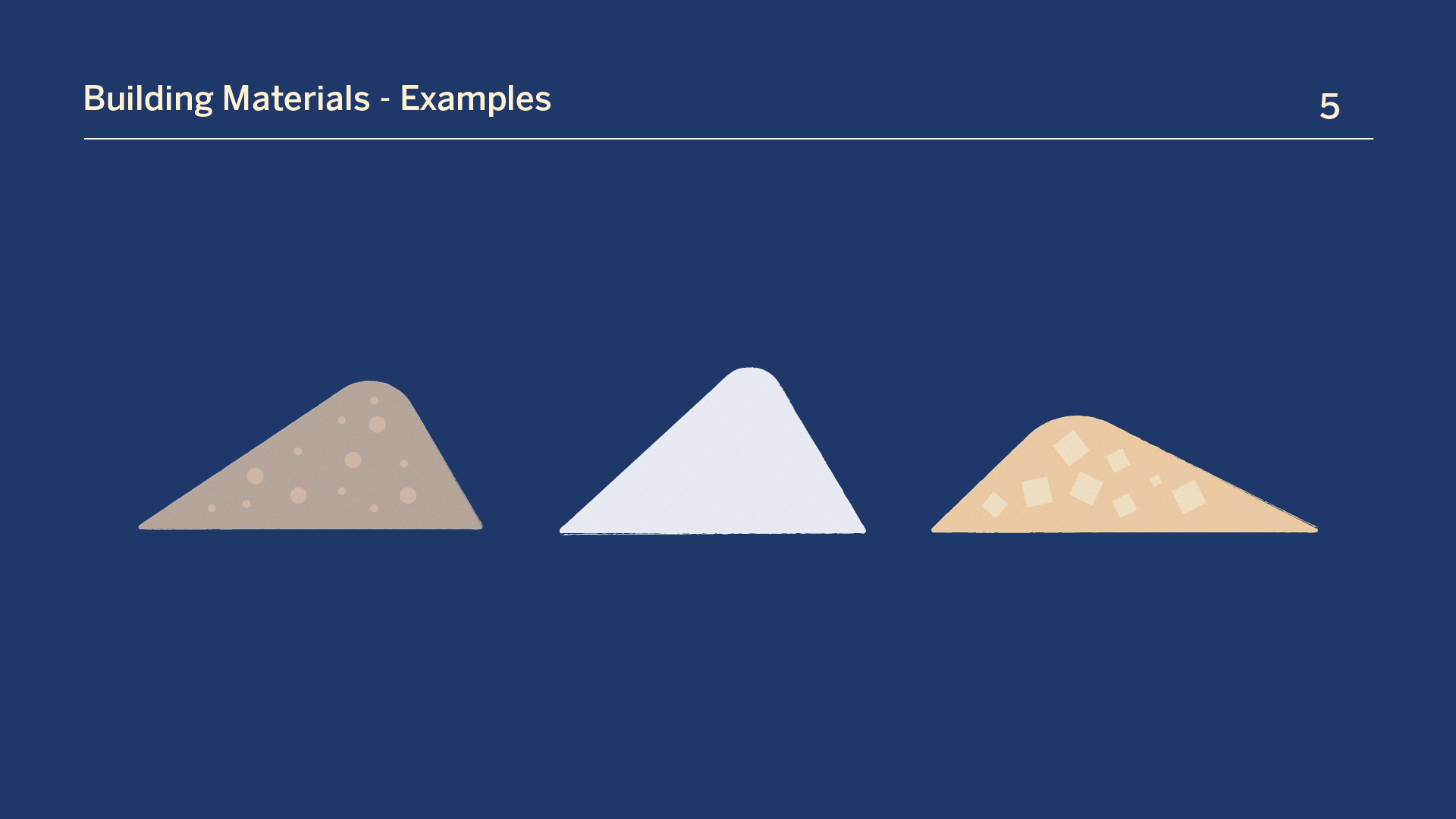
Instead of creating a library of finished illustrations, we created a vocabulary for building new ones. The library was an outcome of the system, not the system itself.

ETH Zürich illustration system ETH Zürich illustration system
Helping students focus on the chemistry

Ok, but why is the system so important?

Every educational animation asks viewers to understand both the subject matter and the visuals used to explain it.

Keeping visual and motion rules consistent reduces the effort required to interpret them. As students become familiar with the system, they spend less attention working out how information is presented and more attention understanding the ideas themselves.

Over the course of the series, these conventions become increasingly familiar. Each new animation introduces new chemistry, but not a new way of reading it.

ETH Zürich animation
ETH Zürich animation ETH Zürich animation
The production advantage

The same system that reduced cognitive load also reduced production time.

Because the core decisions were already in place, multiple illustrators and animators animators could work in parallel without the series drifting in style. Existing assets could be reused where appropriate, and new illustrations could be built from the same rules instead of reinventing the visual language each time.

The first animation took more than two months to produce. By the twenty-ninth, a comparable animation could be completed in around two weeks while maintaining the same visual quality and educational approach.

ETH Zürich outcomes ETH Zürich outcomes
Outcomes
  • More than 30 animations produced for ETH Zürich’s Chemistry of Building Materials course.
  • Used as part of an undergraduate flipped classroom curriculum.
  • Published openly on YouTube, with several videos exceeding 100,000 views.
  • Student feedback indicated that the animations improved understanding of complex concepts.

The illustration system wasn’t a by-product of the project. It was the project. It made thirty animations possible within the available budget, gave multiple illustrators and animators a shared set of decisions to build from, and provided students with a consistent way of reading increasingly complex ideas. Every animation benefited from the work that had gone into the ones before.