How an animation gets made

A finished animation comes together over a few clear stages. Knowing what happens at each one, and where your input matters most, keeps the process smooth and the result on point.

Step 1 — Write for animation

Everything starts with the script, and writing for animation is different from writing for the page. In text, you can introduce an idea in full and let the reader unpack it. In animation, visuals and narration unfold together in real time.

Compare:

“Heat causes the molecules to move faster, increasing the frequency of collisions and thereby raising the reaction rate.”

That works on the page. On screen it needs to arrive a step at a time:

“As temperature increases, the molecules gain energy and move more quickly. As they move faster, they collide more often — which raises the chance of a reaction.”

One idea per sentence, in the order the visuals reveal it, in language that sounds natural spoken aloud.
Step 2 — Define the style

We settle the visual style early, because the style you choose is a big factor in what a project costs and how long it takes.

  • Motion graphics (shapes, icons, and diagrams in motion) are efficient and well suited to explaining processes, data, and abstract concepts.
  • Character animation costs more and takes longer, but it builds an emotional connection that motion graphics can’t, which can be worth it when the goal is to engage rather than only explain.

Neither is better in the abstract — it depends on what your project needs to do.

Whichever direction fits, we’ll help you choose a style that serves both your goal and your audience.

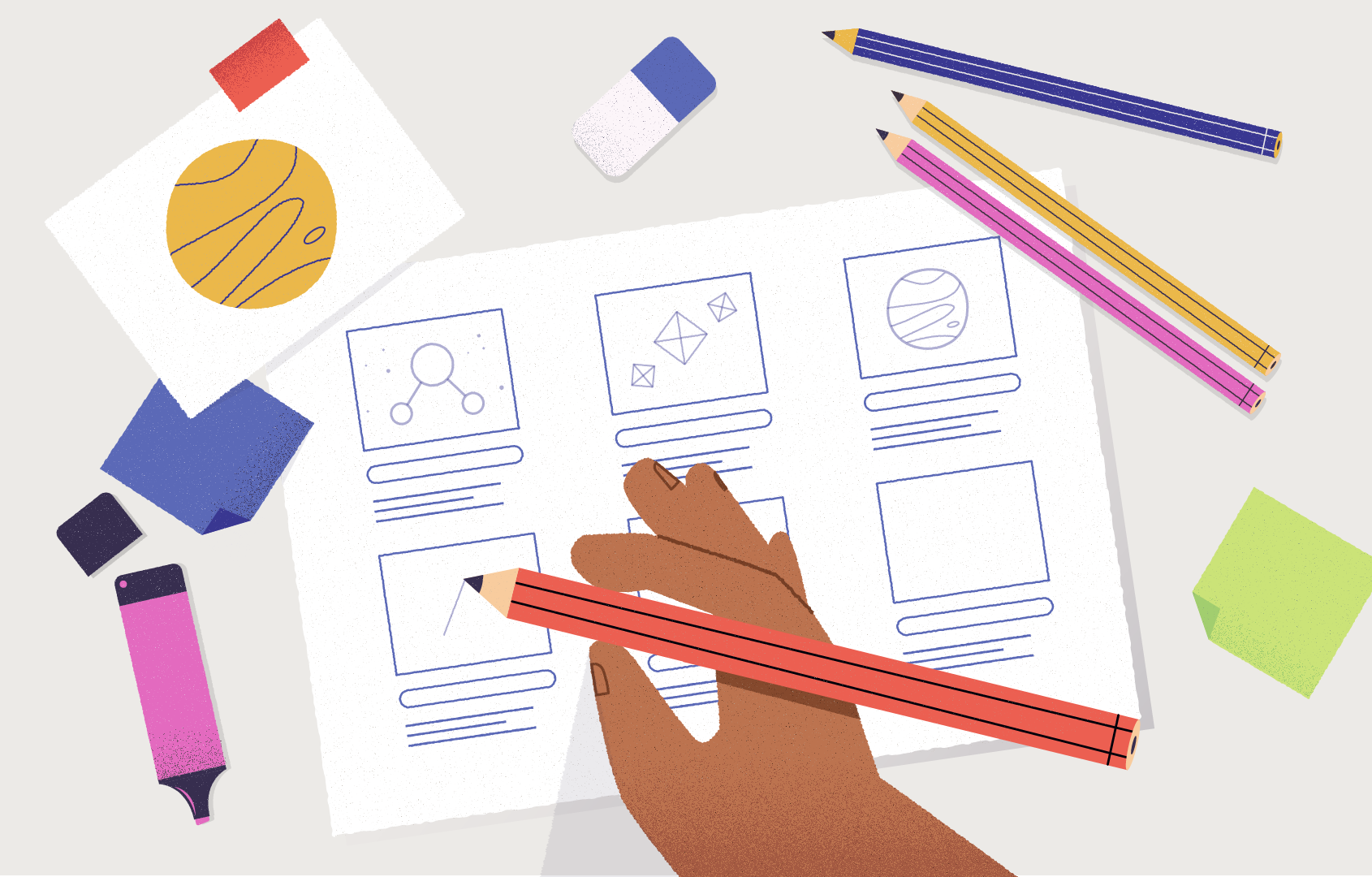
Storyboard example frames
Step 3 — Storyboard

With the script final, we sketch what appears on screen alongside the narration, with notes on how things move and transition between scenes.

At this stage, conceptual errors and unclear sequences are far quicker to fix than as finished animation. It’s worth taking the time.

Step 4 — Animatic and testing

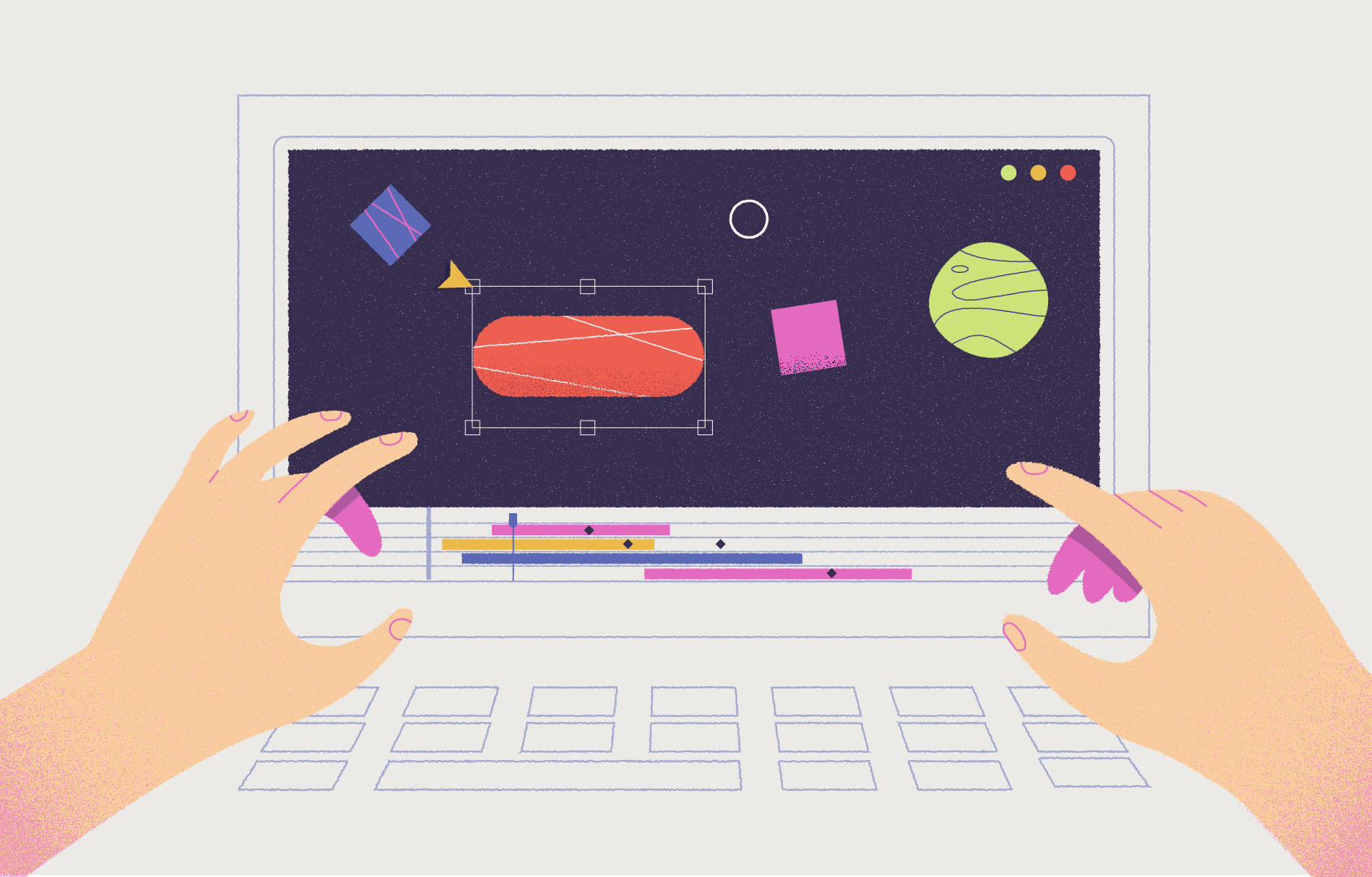
An animatic is a moving version of the storyboard, synced to recorded narration. The rough sketches are finalised into the illustrative style agreed upon, so you’re seeing the real look, not placeholders. If there are any pacing issues and/or audio-visual mismatches, they all become obvious here.

Crucially, it’s also the first point the piece is close enough to its final shape to test on a sample of your audience: clear enough to judge whether the message lands, rough enough that changes still take a short time.

Animatic example
Step 5 — Final animation

The animatic becomes polished animation: transitions, sound effects, and precise sync to the narration. After reviews at the storyboard and animatic stages, changes here should be minimal: small timing or refinement tweaks. We finish with captions for accessibility, so the piece is ready to use across platforms and social media.

Timeline and investment

A short animation (around two minutes) typically takes 30–45 working days from brief to delivery, including style development, storyboard, audio recording, animatic, two rounds of revisions at each stage, and the final animation with captions.

What moves the timeline and cost:

  • Length — the single biggest driver
  • Visual complexity — detailed illustration adds time
  • Style — character animation is usually more time-consuming than motion graphics
  • Extra revision rounds beyond those included